Indoor Air Quality Services in Rocky Mount, NC

Cleaner, Healthier Air for Edgecombe & Nash County Homes

Indoor air quality matters in eastern North Carolina because our climate works against you year-round. Heat and humidity from late spring through October drive moisture into ductwork and crawlspaces, encouraging mold, mildew, and dust mites. Heavy tree cover across Edgecombe and Nash counties pushes pollen into homes every spring. Winter heat dries the air out and aggravates respiratory issues. Metro Maintenance helps Rocky Mount homeowners take control of what they breathe with air purifiers, UV light treatment, whole-house humidifiers and dehumidifiers, ventilation upgrades, and on-site IAQ testing. Call (252) 977-2730 to schedule an assessment. All work is guaranteed.

How do I improve indoor air quality in my Rocky Mount home? Use a pleated MERV 11-13 filter and change it every 1-3 months, keep indoor humidity between 30 and 50 percent with a whole-house humidifier or dehumidifier, install a UV-C light at the evaporator coil to stop mold and biofilm on cooling coils, add a whole-house air purifier or media cleaner for fine particulates, and ventilate tightly-sealed homes with an HRV or ERV.

Why Choose Metro Maintenance for Indoor Air Quality?

  • More than 30 years of HVAC and air quality work in Rocky Mount
  • Trained technicians who install filtration, UV, humidification, and ventilation
  • On-site air quality assessments before any equipment recommendation
  • Whole-house and standalone solutions, sized to your duct system
  • Same-day service available during business hours
  • Residential and commercial buildings, including modular homes
  • All work guaranteed in writing

What Affects Indoor Air Quality in Rocky Mount Homes

The air inside a typical Rocky Mount home is rarely cleaner than the air outside. The U.S. Environmental Protection Agency notes that indoor air can carry concentrations of certain pollutants several times higher than outdoor levels, and homes in our region face a specific mix of issues:

  • Humidity. Eastern NC stays humid for most of the year. Damp air encourages dust mites, mold spores, and mildew on coils, drain pans, and crawlspace insulation.
  • Pollen and tree allergens. Oak, pine, and grass pollen blanket Edgecombe and Nash counties from March through May, and tracked-in pollen recirculates through return ducts for months.
  • Pet dander and dust. Dander and fine dust slip past low-MERV fiberglass filters and settle into ductwork.
  • VOCs and off-gassing. New carpet, paint, cabinetry, and cleaning products release volatile organic compounds, especially in tightly built newer homes.
  • Moisture intrusion. Roof leaks, plumbing leaks, and damp crawlspaces feed mold growth that the HVAC system then circulates room to room.
  • Combustion byproducts. Gas furnaces, gas logs, and water heaters can leak carbon monoxide if not vented and maintained correctly.

Air Purifiers and Whole-House Filtration

The cheapest fiberglass filter sold at the hardware store stops large debris and protects the blower, but it does almost nothing for the particles that cause allergy and respiratory symptoms. Real filtration starts with a pleated filter rated MERV 11 to 13, which captures fine dust, pollen, mold spores, and most pet dander without restricting airflow on a residential system. For homes with allergy or asthma concerns, a media air cleaner adds a thicker filter cabinet that doubles or triples the surface area and only needs changing once or twice a year.

For homes that need more, a whole-house electronic air cleaner uses an electrostatic field to capture ultra-fine particulates that pleated media can miss. HEPA-grade filtration is also available as an add-on bypass unit, which pulls a portion of return air through a true HEPA filter without choking the main blower. We size and install whichever option matches your duct system, your filtration goal, and your budget.

What ties all of these together is fit. A high-MERV filter installed in a return that is too small for it will starve the blower and trip a high-limit on the furnace. Our technicians measure static pressure and verify return capacity before recommending anything above MERV 11.

UV Light Air Treatment

The evaporator coil in your air conditioner or heat pump sits inside the air handler and stays wet during cooling season. That cold, wet aluminum is the perfect place for mold, mildew, and biofilm to grow, and every time the blower runs, microscopic fragments get pushed through your home. The fix is a UV-C germicidal lamp installed inside the air handler with the bulb aimed at the coil.

UV-C light at the 254-nanometer wavelength disrupts the DNA of mold, mildew, bacteria, and many viruses, stopping reproduction on whatever surface the light touches. The most common installation is a single fixture mounted near the coil so the lamp keeps the coil and the drain pan sterile around the clock. A second option is an in-duct UV-C system aimed at the airstream itself, used in homes with documented mold problems or in commercial settings.

UV bulbs lose intensity over time, even when they still glow. We replace bulbs on a 12 to 24 month cycle depending on the model so the system keeps doing its job. UV is safe for occupied homes because the lamp is sealed inside the duct or air handler and never points into a living space.

Whole-House Humidifiers and Dehumidifiers

Comfort is half temperature and half humidity, and Rocky Mount sees both extremes. In winter, when the furnace runs for hours at a time, indoor humidity can drop into the teens. Dry air dries out sinuses, cracks wood floors and trim, and makes a 70-degree house feel cold. A whole-house humidifier installed on the supply or bypass duct adds moisture across every room until indoor humidity hits a healthy 35 to 45 percent.

In summer, the problem reverses. An oversized air conditioner cools quickly but does not run long enough to pull moisture out of the air, leaving the house cold and clammy. The American Society of Heating, Refrigerating and Air-Conditioning Engineers recommends keeping indoor humidity at or below 60 percent for comfort and mold prevention. A whole-house dehumidifier ducted into the return removes water year-round, including in crawlspaces where damp air is the root cause of musty smells and rotting joists. Both systems run quietly and only need annual service.

Ventilation: HRV and ERV Systems

Older Rocky Mount homes leak air, which is bad for energy bills but means fresh air gets in by accident. Newer homes and homes that have been sealed and weatherized lose that accidental ventilation and trap stale air, VOCs, and humidity inside. The fix is mechanical ventilation: a heat recovery ventilator (HRV) or an energy recovery ventilator (ERV).

An HRV brings outdoor air in and pushes stale indoor air out, transferring heat between the two streams so you do not pay to heat or cool the incoming air twice. An ERV does the same job and also transfers moisture, which is the right choice for our climate because it keeps incoming summer air from dumping humidity into the house. Both run continuously at a low rate, exchange air through dedicated ducts or tied into the existing system, and need a filter check once or twice a year. For tight new construction or homes with allergy concerns, an ERV is one of the most useful upgrades available.

Air Quality Testing in Rocky Mount

If your home has new allergy symptoms, persistent odors, a recent renovation, a damp crawlspace, or an old HVAC system that has never been cleaned, an air quality test is the right first step. We use handheld and lab-grade instruments to measure what is actually in your air rather than guessing from symptoms.

A typical residential IAQ assessment checks particulate matter at PM2.5 and PM10 levels, total volatile organic compound concentration, relative humidity room-by-room, carbon dioxide as a marker for ventilation, and surface samples or air samples for mold when there is visible growth or a musty smell. Carbon monoxide is checked near combustion appliances. The results tell us whether the right fix is filtration, ventilation, humidity control, source removal, or a combination. Without measurement, you risk paying for equipment that does not solve the problem you actually have.

Our Indoor Air Quality Process

  • Phone consultation
    We listen to your concerns, symptoms, and the rooms or seasons where the problem shows up.
  • On-site assessment
    A technician walks the house, inspects the HVAC system and ductwork, and runs the measurements that apply.
  • Written recommendation
    You get a plain-language report and a quote covering only what your home actually needs.
  • Professional installation
    Filtration, UV, humidifier, dehumidifier, or ventilation work installed cleanly with minimal disruption.
  • Verification and walk-through
    We confirm the system is doing what it should and show you how to operate and maintain it.
  • Annual follow-up
    UV bulbs, filters, and humidifier pads get replaced on schedule during your maintenance visit.

Frequently Asked Questions
About Indoor Air Quality in Rocky Mount

What affects indoor air quality in NC homes?

Eastern North Carolina homes deal with year-round humidity, heavy spring pollen from oak, pine, and grass, pet dander, dust from older homes and outdoor yard work, off-gassing from paint, carpet, and new cabinetry, and mold from damp crawlspaces or undetected leaks. Most homes show several of these at once.

How can I improve indoor air quality in my home?

Use a pleated MERV 11 to 13 filter and change it every 1 to 3 months, keep relative humidity between 30 and 50 percent, install a UV-C lamp at the evaporator coil to stop mold and biofilm on cooling coils, add a whole-house air purifier or media cleaner for fine particulates, and add an HRV or ERV if your home is tightly sealed.

What does an IAQ test check for?

A residential IAQ test measures particulate matter at PM2.5 and PM10 sizes, total volatile organic compounds, relative humidity by room, carbon dioxide as a ventilation indicator, carbon monoxide near combustion appliances, and mold either by surface swab or air sample when visible growth or musty odors are present.

Do air purifiers really help with allergies?

Yes. Whole-house air purifiers paired with a high-MERV filter reduce airborne pollen, dander, and dust at the duct level, which is more effective than treating one room at a time. For allergy sufferers, pairing filtration with a UV-C coil light and humidity control between 30 and 50 percent gives the best results.

How often should HVAC filters be changed?

Most pleated 1-inch filters need replacement every 1 to 3 months. Check monthly during heavy heating or cooling use, when pets are shedding, or during spring pollen season. Media filters that sit in a 4 or 5-inch cabinet typically last 6 to 12 months.

The right indoor air quality plan starts with measuring what is actually in your air and then matching equipment to the problem. Skipping the assessment and buying a single piece of gear off the shelf is how homeowners end up with the wrong filter, an undersized humidifier, or a UV bulb pointed at nothing useful.

Metro Maintenance has worked on Rocky Mount homes for more than 30 years and we know how this climate behaves. We will tell you when a $40 filter swap is the whole answer and we will tell you when it is time to install a media cleaner, a UV lamp, and a whole-house dehumidifier together. Either way, the recommendation is based on what we measure, not what is in stock.

Need help with the rest of the HVAC system too? See our air conditioner repair and heat pump repair pages, or ask about financing if you are planning a larger IAQ project. Call (252) 977-2730 or use the form to schedule.


Let's Get Started

What Our Customers Say

What Sets Us Apart?

At Metro Maintenance we hold ourselves to a core truth: All Work is Guaranteed. But what does this mean? We believe service should be provided with integrity, hard work, and innovation, and that we should always do what it takes to make sure our customers are happy. We will always go the extra mile to make sure you get the very best from our team, from the moment we pick up the call to support after a job is complete.

30+ Years of Experience

We’ve Proudly Served Rocky Mount, NC & Beyond since 1993

Our team has been dedicated to helping our community for over 30 years. We can handle any HVAC, plumbing, or electrical issue you have, and we always guarantee our work. If you need assistance, we’re here with reliable service provided with integrity.

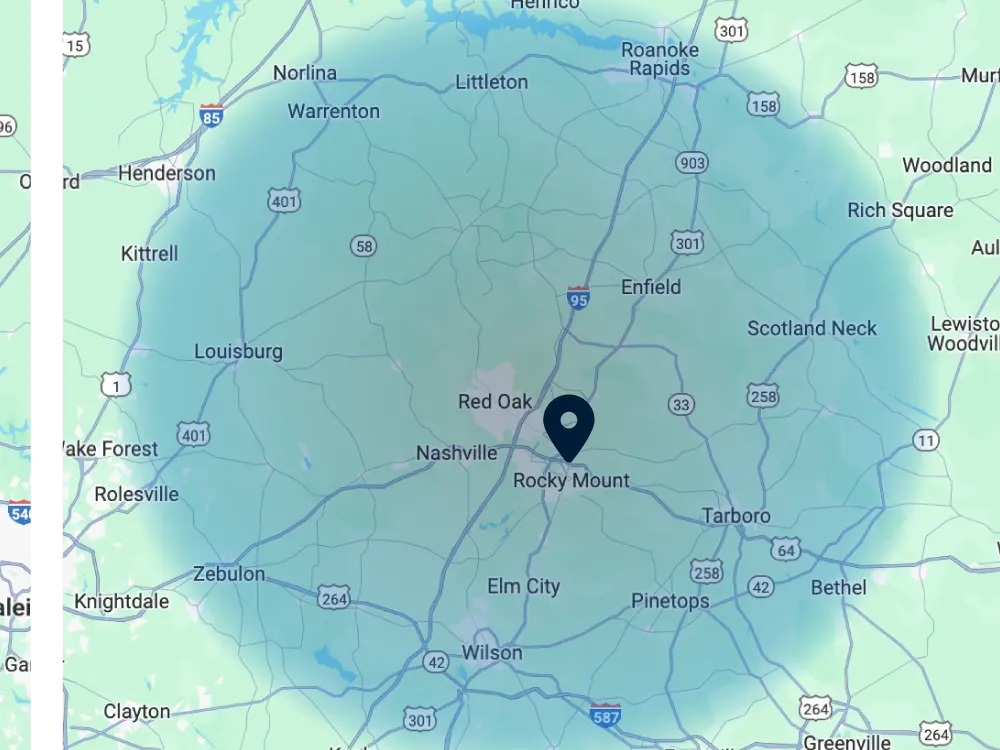
Rocky Mount

Tarboro

Willson

Nashville

Spring Hope

Witakers

Red Oak

Castalia

Enfield

Zebulon

Pinetops

Elm City

Roanoke Rapids

Scotland Neck

Leggett

Macclesfield

Metro Maintenance Service Area

©Red Barn Media Group 2026